
Electric vehicles (EVs) have moved from niche curiosity to mainstream momentum in less than two decades. What began as a tech experiment and a response to climate concerns has evolved into a multi-dimensional transformation that touches vehicle design, energy systems, urban planning, and consumer expectations. Next-generation EVs aren’t merely gasoline cars with batteries — they are redefining what a car can be, how it’s powered, how it’s used, and what mobility means for societies worldwide.
From drivetrain swap to systems reimagined
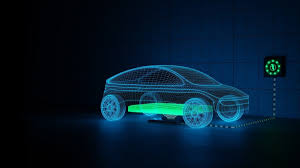
Early EVs focused primarily on replacing internal combustion engines with electric motors and batteries. Today’s next-generation designs rethink the entire vehicle architecture. Electric drivetrains enable flexible packaging: batteries can sit low and flat in the chassis, freeing interior space and lowering the center of gravity for improved handling. Manufacturers are exploring skateboard platforms that standardize the battery, motor, and control systems so multiple body types — from compact city cars to SUVs and vans — can be built on the same foundation. This modularity speeds development, lowers cost, and makes it easier to tailor vehicles to different markets and uses.
Batteries: density, cost, and lifecycle
Battery technology remains the heartbeat of EV progress. Advances in cell chemistry, manufacturing scale, and thermal management are driving higher energy density and longer life at lower cost. Next-generation EVs increasingly use solid-state or advanced lithium formulations to pack more range into smaller, lighter packages — a change that directly addresses consumer range anxiety. But the story goes beyond raw range: improved battery management systems and second-life uses (such as energy storage) are creating more sustainable lifecycle economics, while recycling technologies aim to reclaim valuable materials and reduce environmental footprint.
Software-defined vehicles and user experience
Electric vehicles are software-centric devices. Over-the-air updates, predictive maintenance, and personalized drive modes are becoming standard expectations rather than premium features. Next-generation EVs blur the line between cars and connected devices: intuitive user interfaces, voice assistants, and in-car services will enable continuous improvement and new revenue streams. Moreover, advanced driver-assistance systems (ADAS) and eventually higher levels of autonomy depend heavily on sensor suites and compute platforms built into EVs, making software quality as important as hardware quality.
Charging ecosystems and energy integration
The success of EVs depends on the charging ecosystem as much as vehicle capabilities. Faster charging technologies and standardized connectors are reducing the friction of long-distance travel, while home and workplace charging will continue to handle most daily needs. Importantly, EVs are becoming active participants in energy systems: vehicle-to-grid and vehicle-to-home technologies allow parked EVs to act as mobile batteries, smoothing demand peaks and supporting renewable integration. As electricity grids decarbonize, EVs will deliver progressively cleaner travel — creating a virtuous cycle between transportation and energy transition.
New ownership and mobility models
Next-generation EVs are catalyzing new mobility models. Shared electric fleets, subscription services, and mobility-as-a-service platforms leverage the lower operating costs and simplified maintenance of EVs to offer flexible access to transport. For urban planners, electrified shared mobility can reduce pollution and free up space previously used for parking. These models also reshape consumer expectations: ownership may become less about asset possession and more about tailored access to mobility experiences.
Manufacturing, supply chains, and geopolitics
The global shift to EVs rewrites supply chains. Critical minerals for batteries — lithium, nickel, cobalt, and others — are now strategic resources, prompting investments in mining, refining, and recycling. At the same time, automakers are reshoring or regionalizing production to secure supply and reduce logistics complexity. This reorganization has geopolitical consequences: countries that build battery ecosystems gain industrial competitiveness, while regulatory incentives and industrial policy accelerate domestic EV industries in many regions.
Design, sustainability, and inclusivity
EVs enable new approaches to sustainable design: lighter materials, modular components, and easier disassembly for recycling reduce lifecycle impacts. Beyond environmental goals, designers are prioritizing accessibility and inclusivity — from ergonomic interiors and configurable seating to digital interfaces that adapt to diverse user needs. Cities are experimenting with dedicated lanes, low-emission zones, and incentives that amplify the public benefits of electrified transport.
The road ahead
The transition to next-generation EVs will not be instantaneous or uniform. Legacy automakers, startups, regulators, energy companies, and cities must coordinate complex technological, economic, and social changes. Challenges remain — raw material supply, charging equity, grid upgrades, and consumer education — but the trajectory is clear: EVs are central to a broader redefinition of mobility that is cleaner, smarter, and more integrated with urban life and energy systems.
Ultimately, next-generation electric vehicles are more than a new powertrain; they’re a platform for innovation across industries. As batteries improve, software matures, and ecosystems expand, EVs will continue to reshape personal transportation, commercial logistics, and the very structure of our cities — offering a future where mobility is efficient, flexible, and aligned with global sustainability goals.