
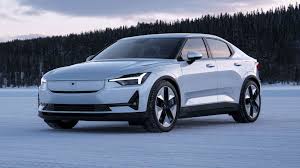
The electric vehicle (EV) revolution is no longer limited to luxury buyers. In 2025, affordable electric cars are finally becoming a realistic choice for everyday drivers. Battery technology has improved, charging networks are expanding, and automakers are racing to offer models that balance price, range, and performance. From compact city cars to practical family crossovers, here are the most promising affordable EVs to watch in 2025 — and what makes them special.
1. BYD Dolphin and Dolphin Surf – Small, Smart, and Affordable
Chinese automaker BYD continues to make waves globally, and its compact EVs are leading the affordability trend. The BYD Dolphin and Dolphin Surf are designed to bring clean mobility to the masses. They feature modern styling, a tech-rich cabin with large digital screens, and efficient lithium iron phosphate (LFP) batteries known for safety and long lifespan.
Starting at prices far below many Western competitors, the Dolphin offers impressive range for daily driving — often exceeding 300 km (186 miles) on a single charge. Its fast-charging capability and agile handling make it ideal for urban commuters. BYD’s strategy shows that affordable EVs don’t have to feel cheap.
2. Tesla Model 3 – Premium Features at a Lower Price
While Tesla is usually associated with high-end electric cars, the Model 3 remains one of the most attainable options in its lineup. By 2025, Tesla has refined its production efficiency, making the base Model 3 more accessible to a wider audience. Buyers get exceptional range, over-the-air software updates, and access to Tesla’s expansive Supercharger network — a major advantage for long-distance drivers.
The Model 3’s minimalistic interior, solid build quality, and proven reliability make it a strong contender in the “affordable luxury” EV category. For many, it represents the perfect balance between cost, technology, and everyday usability.
3. Nissan Leaf and the Next Generation of Compact EVs
Nissan was one of the first brands to popularize electric cars with the original Leaf, and in 2025, the company continues to evolve its affordable EV lineup. The latest version of the Leaf focuses on efficiency and comfort while offering practical driving range for urban and suburban lifestyles. With refined battery management and quick-charging capability, it remains one of the most budget-friendly electric options on the market.
Nissan is also expanding into small electric crossovers, blending higher driving position and versatility with the same accessible pricing philosophy. For buyers who need an everyday car with zero emissions, Nissan’s approach remains one of the most appealing.
4. Chevrolet Bolt EV – The Comeback of a Favorite
After earning a loyal following in earlier years, the Chevrolet Bolt returns in 2025 with an updated design and improved battery system. The new model focuses on affordability and practicality, offering decent range and smart interior features. Its compact size makes it perfect for city driving, while the new generation brings better infotainment and safety systems.
GM’s strategy is to make the Bolt one of the most cost-effective EVs for North American drivers — a move that could reshape the entry-level electric car market once again.
5. Hyundai Kona Electric and Kia Niro EV – Reliable and Value-Packed
Korean manufacturers Hyundai and Kia continue to impress with electric vehicles that balance quality, performance, and price. The Hyundai Kona Electric and Kia Niro EV have built reputations for reliability, strong warranties, and excellent efficiency. For 2025, both brands have introduced design refreshes, improved range, and upgraded driver-assistance features.
These compact SUVs are great for families who need space and versatility without stretching their budget. Their proven track record also makes them solid long-term investments.
6. What’s Next: The Era of the $30,000 EV
The biggest shift coming in 2025 is the increasing number of electric cars priced around the $30,000 mark — or even less, depending on local incentives. As more automakers adopt lower-cost LFP batteries and streamline production, the gap between gasoline and electric models is shrinking quickly.
Buyers can now find compact hatchbacks, small SUVs, and even sedans that offer over 300 km of real-world range for prices once considered impossible. Government incentives and tax credits in many countries further enhance affordability, making EV ownership more mainstream than ever before.
Final Thoughts
2025 is shaping up to be a turning point for affordable electric mobility. The days when EVs were exclusive luxury items are ending, replaced by an era where clean, efficient transportation is accessible to all kinds of drivers.
Whether you’re drawn to the futuristic tech of the Tesla Model 3, the practicality of the Nissan Leaf, or the unbeatable value of BYD’s compact EVs, there has never been a better time to consider going electric. The competition among automakers will only drive prices down and innovation up — and that’s good news for consumers and the planet alike.