
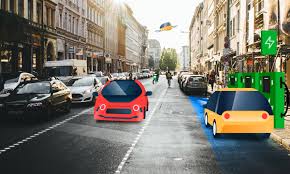
As cities around the world continue to grow denser, the way people move through them is evolving at an incredible pace. The traditional model of private car ownership is gradually giving way to a more flexible, sustainable, and technology-driven approach. By 2030, urban mobility will be defined by car-sharing networks and micro-electric vehicles (MEVs) — a shift that reflects not only environmental goals but also the changing lifestyles of urban dwellers.
This new era of mobility isn’t just about new kinds of vehicles; it’s about new ways of thinking — emphasizing access over ownership, efficiency over excess, and community over isolation.
1. The Decline of Private Car Ownership
Owning a private car has long been a symbol of freedom and independence. However, for many city residents, that freedom now comes with high costs: parking fees, congestion, fuel expenses, and maintenance headaches. By 2030, the focus is shifting from “owning” transportation to simply “using” it when needed.
The car-sharing model — where users can rent a vehicle by the hour or minute — has already proven successful in many urban centers. Advances in digital platforms and payment systems are making the process seamless: a few taps on a smartphone, and a clean, electric car is ready to drive.
This on-demand model means fewer cars are needed overall, leading to less traffic and lower emissions. It also democratizes mobility, allowing people who can’t afford to buy a car to still enjoy personal transportation when necessary.
2. The Rise of Micro-Electric Vehicles (MEVs)
Micro-electric vehicles, or MEVs, are the next big wave in sustainable city transport. These small, lightweight vehicles — including two-seater microcars, electric scooters, and compact e-bikes — are designed for short trips and dense traffic environments.
MEVs require far less space, consume less energy, and produce zero tailpipe emissions. They’re perfect for “last-mile” journeys, such as getting from a public transit station to your home or workplace.
By 2030, many cities are expected to support MEV infrastructure with dedicated lanes, smaller parking zones, and battery-swapping stations. Their agility and low operating costs make them a favorite among young professionals, delivery workers, and environmentally conscious commuters.
3. Technology: The Backbone of Shared Mobility
Technology is what makes modern urban mobility possible. The combination of mobile apps, GPS tracking, AI algorithms, and smart payments has turned car-sharing and MEV services into efficient, user-friendly ecosystems.
In 2030, connected mobility platforms will allow users to plan an entire journey using a single app — booking a shared car for part of the trip and a micro-electric scooter for the rest. Artificial intelligence will help predict demand, ensuring that vehicles are always available where people need them most.
Data analytics will also improve maintenance and fleet management. Vehicles can automatically alert operators when they need service, reducing downtime and improving reliability. As a result, users can trust that the shared cars and scooters they find on the street are always ready and safe to drive.
4. Sustainability and Urban Impact
Car-sharing and micro-electric vehicles play a crucial role in making cities cleaner and more livable. By replacing multiple privately owned cars with a smaller shared fleet, cities can dramatically reduce congestion, air pollution, and the demand for parking space.
In many dense urban areas, up to 30% of land area is dedicated to parking. Imagine reclaiming even a fraction of that for parks, pedestrian zones, or cycling paths. The result is not only environmental improvement but also better quality of life.
As renewable energy expands, charging these vehicles with solar or wind power will make urban transport nearly carbon-neutral. Together, these trends push cities closer to their net-zero emission goals.
5. Challenges and the Road Ahead
Despite the optimism, the path toward fully integrated urban mobility is not without obstacles. Regulations, infrastructure gaps, and public perception remain significant hurdles.
Cities must invest in safe charging networks, dedicated MEV lanes, and improved digital connectivity. Insurance and liability issues for shared vehicles also need clear frameworks. Moreover, cultural attitudes toward ownership will take time to evolve — some drivers will always prefer the comfort of having their own car.
However, as more people experience the convenience and cost savings of shared, electric transportation, acceptance will grow naturally. By 2030, mobility-as-a-service (MaaS) platforms could become as common as ride-hailing apps are today.
6. A Glimpse into the Future City
Picture a typical day in a city of 2030. You leave your apartment, check your phone, and book the nearest shared electric car for a quick trip across town. Traffic is smoother because most vehicles are compact and electric. After parking in a designated zone, you switch to a shared e-scooter for the final stretch to your office.
There’s no noise from engines, no pollution, and no endless search for parking. Charging stations are integrated into streetlights, and every vehicle you use is powered by clean energy. This is not a distant fantasy — it’s the urban mobility future already taking shape.
By 2030, car-sharing and micro-electric vehicles will redefine what it means to move around a city. These innovations are not just technological but cultural — signaling a shift toward smarter, greener, and more community-oriented transportation.
The cars of the future may be smaller and shared, but their impact on urban life will be huge. As cities adapt and people embrace new habits, mobility will no longer be about owning a vehicle, but about connecting people efficiently, sustainably, and effortlessly.
Urban mobility 2030 represents not just a new way to travel — but a new way to live.