
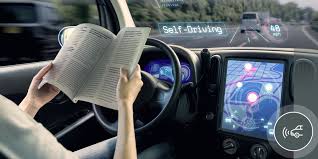
The global transportation landscape is on the verge of a dramatic transformation. Over the past decade, autonomous driving technology and intelligent transportation systems (ITS) have progressed faster than many expected. What was once viewed as science fiction—self-driving cars, vehicle-to-everything communication, AI-managed traffic, and fully automated logistics—is gradually becoming reality. But 2030 stands out as a crucial milestone. By this year, technological readiness, regulatory support, infrastructure development, and market adoption are projected to converge, creating a true tipping point for autonomous mobility.
Below is a deep exploration of why 2030 is poised to reshape global transportation as we know it.
1. Level 4 and Level 5 Autonomy Near Commercial Viability
By 2030, the progression of autonomous driving systems from driver-assistance (Levels 1–2) to high automation (Levels 4–5) will reach a stage where large-scale deployment becomes economically feasible. Companies such as Tesla, Waymo, Baidu, Mercedes-Benz, and others are aggressively developing sensors, AI perception systems, and decision-making algorithms that allow vehicles to operate independently in most environments.
Key enablers include:
-
Advanced sensor fusion combining LiDAR, radar, cameras, and ultrasonic sensors to deliver near-perfect environmental awareness.
-
Massive improvements in onboard computation, allowing vehicles to process billions of data points in real time.
-
Self-learning AI models, trained on trillions of miles of simulated and real-world driving data, reducing edge-case risks.
By 2030, experts expect autonomous systems to overcome many current limitations, such as poor weather performance, complex urban navigation, and unpredictable human behavior. This technical maturity will allow driverless taxis, autonomous delivery vans, and automated highway platoons to become mainstream.
2. Intelligent Transportation Systems Becoming Fully Integrated
ITS is more than just smart traffic lights—it is a complex system of sensors, data networks, AI analytics, and communication technologies that work together to optimize mobility. By 2030, ITS is expected to evolve into a fully connected, interoperable ecosystem that seamlessly links vehicles, roads, infrastructure, and cloud platforms.
Major advancements include:
-
Vehicle-to-Everything (V2X) communication: Cars will communicate with other cars, traffic systems, pedestrians’ devices, and emergency services.
-
Predictive traffic control powered by AIs that analyze real-time and historical data to reduce congestion.
-
Smart highways and intersections equipped with sensors that detect hazards, monitor road conditions, and guide autonomous vehicles.
-
Dynamic tolling and route optimization based on demand, reducing bottlenecks and emissions.
The integration of autonomous vehicles with intelligent infrastructure will dramatically increase safety and efficiency. The shift from reactive driving to predictive mobility will define the next-generation transportation network.
3. Regulatory Frameworks Will Mature After Years of Experimentation
For years, governments have launched pilot programs and created temporary guidelines for autonomous vehicles. By 2030, these fragmented regulations are expected to consolidate into comprehensive national and international frameworks.
This will include:
-
Standardized safety requirements for autonomous systems.
-
Liability and insurance rules that clarify responsibility in the event of accidents involving driverless vehicles.
-
Digital infrastructure mandates, such as V2X compatibility and cybersecurity protocols.
-
Urban planning policies that integrate autonomous mobility into public transport networks.
Countries in Europe, the United States, China, Japan, and the Middle East are already building autonomous-friendly regulatory ecosystems. By 2030, unified standards will accelerate deployment and cross-border interoperability.
4. Autonomous Mobility Will Transform Logistics and Public Transportation
The logistics industry is expected to be one of the biggest winners of autonomous innovation by 2030. Driverless trucks, automated warehouses, and robotics-enhanced delivery networks will create a supply chain that operates 24/7 with lower cost, fewer delays, and minimal human error.
Autonomous fleets will:
-
Reduce delivery times through continuous operation.
-
Enhance safety by eliminating fatigue-related accidents.
-
Lower transport costs, which will cascade down to consumer prices.
-
Enable last-mile delivery robots for urban areas.
Public transportation systems will also adopt autonomous buses, shuttles, and shared robo-taxis, reshaping commuting behavior. Cities may redesign routes, parking spaces, and urban centers to prioritize on-demand mobility rather than private car ownership.
5. Electrification and Autonomy Will Converge
Electric vehicles (EVs) and autonomous vehicles are closely linked. By 2030, most self-driving fleets will be electric due to:
-
Lower maintenance, as EVs have fewer moving parts.
-
Optimized fleet management, with vehicles charging during low-demand periods.
-
Better compatibility with digital systems, as EVs are already software-defined platforms.
This convergence will accelerate sustainability goals and reduce carbon emissions while fostering economic efficiency.
6. AI-Driven Safety Systems Will Drastically Reduce Accidents
Human error accounts for more than 90% of global traffic accidents. By 2030, autonomous systems will dramatically cut collision rates through:
-
Instant reaction times
-
360-degree visibility
-
Continuous monitoring of driver behavior in semi-autonomous modes
-
Predictive modeling of surrounding vehicles and pedestrians
This shift will save thousands of lives annually and reshape global insurance markets.
7. Consumer Adoption Will Reach Critical Mass
As autonomous features become more affordable and accessible, consumer acceptance will surge. By 2030:
-
Many new cars will have standard autonomous functions.
-
Shared autonomous mobility programs will become common worldwide.
-
Public perception will shift from skepticism to trust as safety data accumulates.
Younger generations—accustomed to digital convenience—will drive adoption of autonomous ride-hailing services, reducing reliance on private vehicles.
Conclusion: 2030 as the Dawn of a New Mobility Era
The year 2030 represents the moment when technological innovation, infrastructure readiness, regulatory clarity, and market maturity align. Autonomous driving and intelligent transportation systems will no longer be experimental—they will form the backbone of global mobility.
We will witness:
-
Safer roads
-
Smarter cities
-
Cleaner transportation
-
More efficient logistics
-
A shift from ownership to “mobility-as-a-service”
By the end of the decade, the transportation ecosystem will be more intelligent, interconnected, and autonomous than ever before. The journey has already begun, but 2030 is the year when the world will truly feel the impact of the autonomous revolution.