
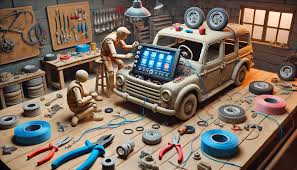
In an age where new cars are packed with advanced sensors, touchscreens, and self-driving capabilities, many drivers still rely on older vehicles for their daily commute. Whether it’s a beloved family car or a reliable workhorse that has stood the test of time, maintaining an older car can be both rewarding and challenging.
Fortunately, modern technology isn’t just for the latest models. From digital tools to smart maintenance strategies, there are plenty of ways to keep an older car running efficiently — even in today’s tech-driven automotive world. Here’s how you can give your classic or aging vehicle the care it deserves while taking advantage of modern innovations.
1. Use Diagnostic Tools and OBD Scanners
One of the simplest yet most effective ways to maintain an older car is by using an OBD-II scanner (On-Board Diagnostics). These small, affordable devices plug into your car’s diagnostic port and provide real-time data about your engine, sensors, and other key systems.
With an app on your smartphone, you can check engine codes, monitor performance, and identify problems before they become major repairs. This saves time, reduces guesswork, and helps you communicate more effectively with your mechanic.
Even if your car is from the early 2000s, it likely supports OBD-II, making it easy to access valuable diagnostic information that was once reserved for professional garages.
2. Upgrade Maintenance Tracking with Mobile Apps
Gone are the days of keeping maintenance logs in a notebook or relying on memory. Today, mobile apps can track oil changes, tire rotations, brake inspections, and more.
These digital maintenance logs can send reminders when services are due, help you track fuel efficiency, and even estimate running costs. Apps also allow you to store photos of receipts or parts for future reference — perfect for older cars where service history matters.
Keeping a consistent record not only improves reliability but also increases the resale value of your car by showing that it’s been well cared for.
3. Replace Key Components with Modern Equivalents
You don’t need a new car to enjoy some of the benefits of modern technology. Many components and accessories have improved dramatically in recent years and can easily be retrofitted into older vehicles.
-
LED lighting: Brighter, more energy-efficient, and longer-lasting than halogen bulbs.
-
Modern spark plugs: Offer better ignition performance and fuel economy.
-
Upgraded batteries: Provide more stable voltage and longer life, especially in extreme climates.
-
New infotainment systems: Touchscreen units with Bluetooth, navigation, and smartphone connectivity can replace outdated radios.
These upgrades not only enhance comfort and safety but also make your car feel more modern without breaking the bank.
4. Keep Fluids and Filters in Top Condition
While tech can help you track maintenance, the basics still matter most. Regularly changing your car’s engine oil, transmission fluid, coolant, and brake fluid is essential to keep everything running smoothly.
Use high-quality synthetic oil where possible, as it offers better protection for older engines. Don’t forget the air, fuel, and cabin filters — replacing them improves engine performance, air quality, and fuel efficiency.
Even with all the advancements in technology, consistent maintenance remains the heart of keeping any car healthy.
5. Use Smart Driving Habits and Monitoring Devices
Modern telematics and GPS-based devices can help you understand how you drive — and how it affects your car’s condition. Plug-in driving monitors or smartphone apps can analyze driving behavior such as acceleration, braking, and idling time.
By adjusting your habits based on this feedback, you can reduce wear on the engine, brakes, and tires. Smoother driving also saves fuel, which is especially beneficial for older, less efficient engines.
6. Invest in Preventive Inspections
Preventive maintenance is more important for older cars than ever before. Even if everything seems fine, schedule periodic inspections for the cooling system, suspension, belts, and hoses.
Many modern workshops use digital inspection tools that send you photos and reports directly to your phone or email. This transparency allows you to make informed decisions about repairs and prioritize what’s truly necessary.
Catching small issues early — like a weak alternator or worn timing belt — can prevent costly breakdowns later on.
7. Store and Protect Your Car Properly
Technology can also help protect your car when it’s not in use. Smart security systems and GPS trackers allow you to monitor your vehicle remotely, while battery maintainers keep the charge stable during long storage periods.
If your car is parked outdoors, consider investing in a high-quality car cover and tire pressure sensors. Exposure to heat, sunlight, and moisture accelerates wear and corrosion, but simple tech solutions can extend your vehicle’s lifespan.
Maintaining an older car in the modern era isn’t just about replacing worn-out parts — it’s about blending time-tested mechanical care with new technology. Digital tools, smart devices, and improved materials make it easier than ever to diagnose problems, monitor performance, and plan maintenance.
With a mix of traditional upkeep and modern tech integration, even a decades-old car can stay efficient, reliable, and enjoyable to drive. As automotive technology continues to advance, it’s comforting to know that older cars can still thrive — as long as their owners stay proactive, informed, and willing to evolve with the times.