
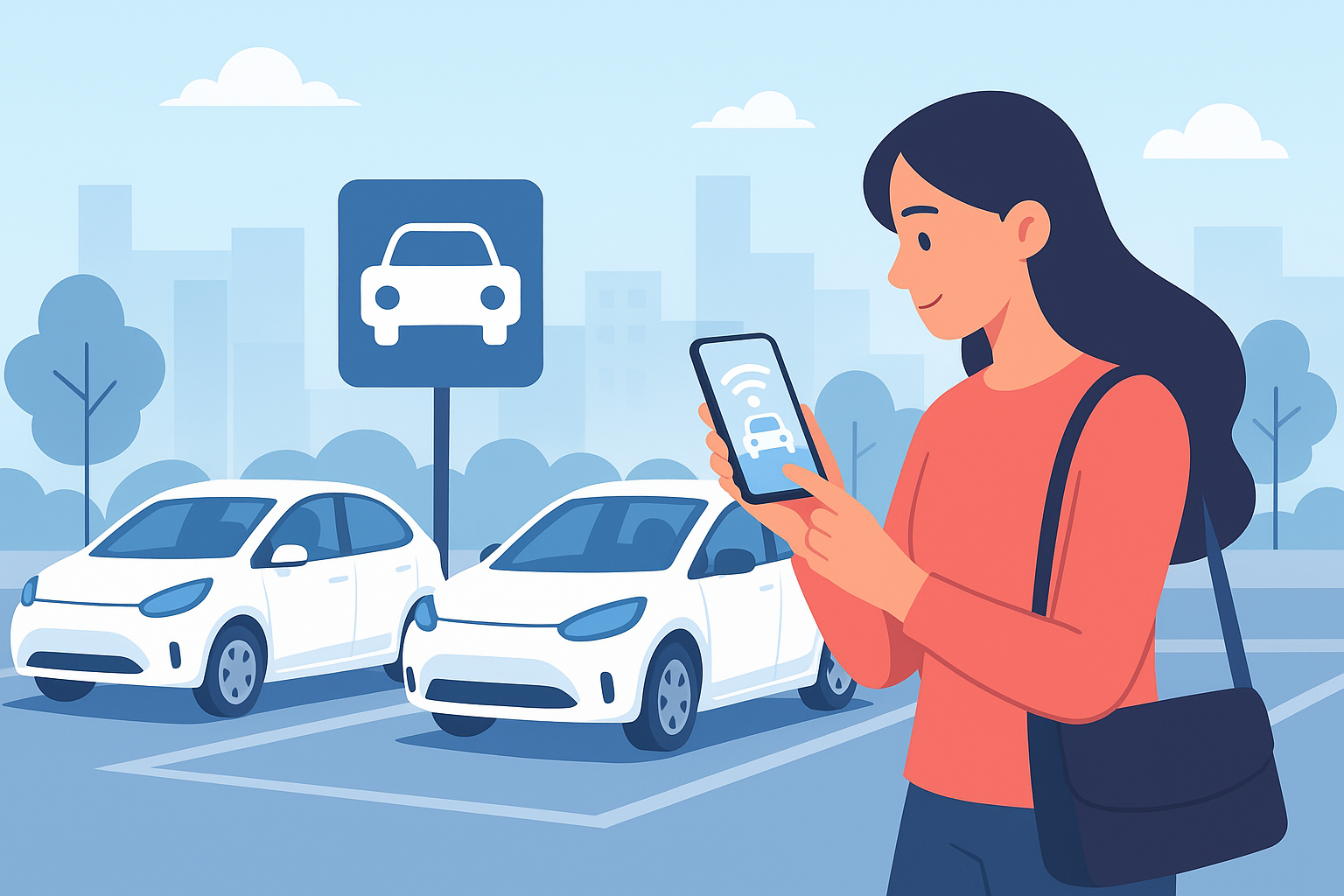
The way people access and use cars is changing faster than ever before. For decades, car ownership was seen as a necessity — a symbol of independence and freedom. But in today’s world, mobility has taken on a new meaning. The rise of car sharing and vehicle subscription models is transforming the automotive landscape, redefining convenience, flexibility, and sustainability in the process.
From the early days of hourly car rentals to today’s app-based on-demand mobility, this evolution reflects a global shift in consumer behavior. People no longer want to own cars; they want access to them — and only when they need them.
1. The Birth of Car Sharing
Car sharing began as a practical response to urban congestion, parking shortages, and the rising costs of vehicle ownership. The idea was simple: instead of owning a car full-time, individuals could borrow one for short periods, paying only for what they used.
In the early 2000s, companies like Zipcar and car2go popularized this concept by making vehicles accessible through membership-based systems. Users could reserve cars online, unlock them with a card or smartphone, and pay by the hour or mile.
This model appealed especially to city dwellers who didn’t need a car every day but still wanted the freedom to drive occasionally. It reduced the financial burden of maintenance, insurance, and fuel while supporting a more sustainable, shared approach to transportation.
2. Technology Drives Expansion
The real breakthrough for car sharing came with smartphone technology and digital connectivity. With GPS tracking, mobile apps, and secure payment systems, car-sharing services became seamless and efficient.
Users could locate nearby vehicles, unlock them remotely, and end their rental anywhere within a designated zone. Artificial intelligence and data analytics further improved fleet management — predicting demand, optimizing parking locations, and preventing downtime.
By 2025, car-sharing networks have become integrated into broader urban mobility ecosystems, linking with public transportation, e-bikes, and ride-hailing platforms to provide a complete, on-demand travel solution.
3. The Rise of Subscription Models
While car sharing focuses on short-term use, car subscription services offer a middle ground between ownership and leasing. This model allows drivers to pay a monthly fee that covers the car, insurance, maintenance, and sometimes even roadside assistance.
Subscribers can swap vehicles depending on their needs — perhaps a compact EV for city commuting one month, and a larger SUV for a weekend trip the next.
This flexibility appeals to younger consumers who value convenience and variety over long-term commitments. It also gives automakers a new way to build customer loyalty and collect valuable usage data.
Luxury brands were among the first to experiment with subscription programs, offering customers rotating access to premium models. Today, mainstream manufacturers and startups alike are expanding these offerings to make subscriptions affordable and accessible to a wider audience.
4. Benefits of Shared and Subscription Mobility
The evolution of these models offers multiple benefits to individuals, cities, and the planet:
a. Convenience and Flexibility
Users can drive when they want, without worrying about ownership responsibilities. Cars are available on demand — no paperwork, no maintenance, and no long-term financial obligations.
b. Cost Efficiency
Instead of paying for car loans, insurance, parking, and repairs, users pay only for what they use or subscribe for an all-inclusive monthly price.
c. Environmental Impact
Shared mobility helps reduce the total number of vehicles on the road, cutting emissions and freeing up parking space. It’s a key part of sustainable urban transport strategies.
d. Technology Integration
As these models grow, they’re increasingly powered by electric vehicles and connected systems, improving efficiency and promoting cleaner, smarter mobility.
5. Automakers and the Business Shift
For decades, automakers focused on selling cars as products. Now, many are transforming into mobility service providers. This shift changes how brands interact with customers — focusing on long-term engagement rather than one-time sales.
Manufacturers are investing in data-driven services, developing digital platforms that integrate payment, booking, and customer support. These systems allow companies to understand driving patterns, optimize vehicle usage, and introduce new revenue models based on subscription tiers or usage-based pricing.
For consumers, this means greater choice and continuous improvement — much like software updates for digital devices.
6. Challenges to Overcome
Despite the promise, the car-sharing and subscription markets still face several challenges:
-
Profitability: Operating large vehicle fleets, maintaining them, and ensuring availability across cities can be costly.
-
Regulation: Cities need to adapt parking, zoning, and insurance rules to accommodate shared mobility.
-
User Behavior: Many drivers are still attached to the idea of ownership, seeing cars as a personal asset rather than a shared resource.
However, as costs of ownership rise and environmental concerns deepen, attitudes are shifting rapidly.
7. The Future: Integrated, On-Demand Mobility
By 2030, the line between car sharing, subscription models, and ride-hailing will blur. Instead of thinking in terms of owning or renting, users will simply choose mobility on demand.
Imagine opening a single app that shows every available transport option — car shares, e-scooters, buses, and even self-driving shuttles — all integrated into one seamless payment system.
AI and automation will continue to enhance efficiency, predicting demand patterns and deploying vehicles where they’re needed most. Electric and autonomous vehicles will further reduce costs and emissions, creating cleaner, quieter cities.
The evolution of car sharing and subscription models represents more than just a new business trend — it’s a cultural shift in how we view mobility. Cars are becoming services, not possessions. The focus is moving from ownership to experience, from maintenance to convenience, and from isolation to shared community use.
As technology and urban living continue to evolve, these models will redefine the future of transportation — offering drivers the freedom of movement without the burden of ownership. In this new era of smart mobility, flexibility is the new luxury.